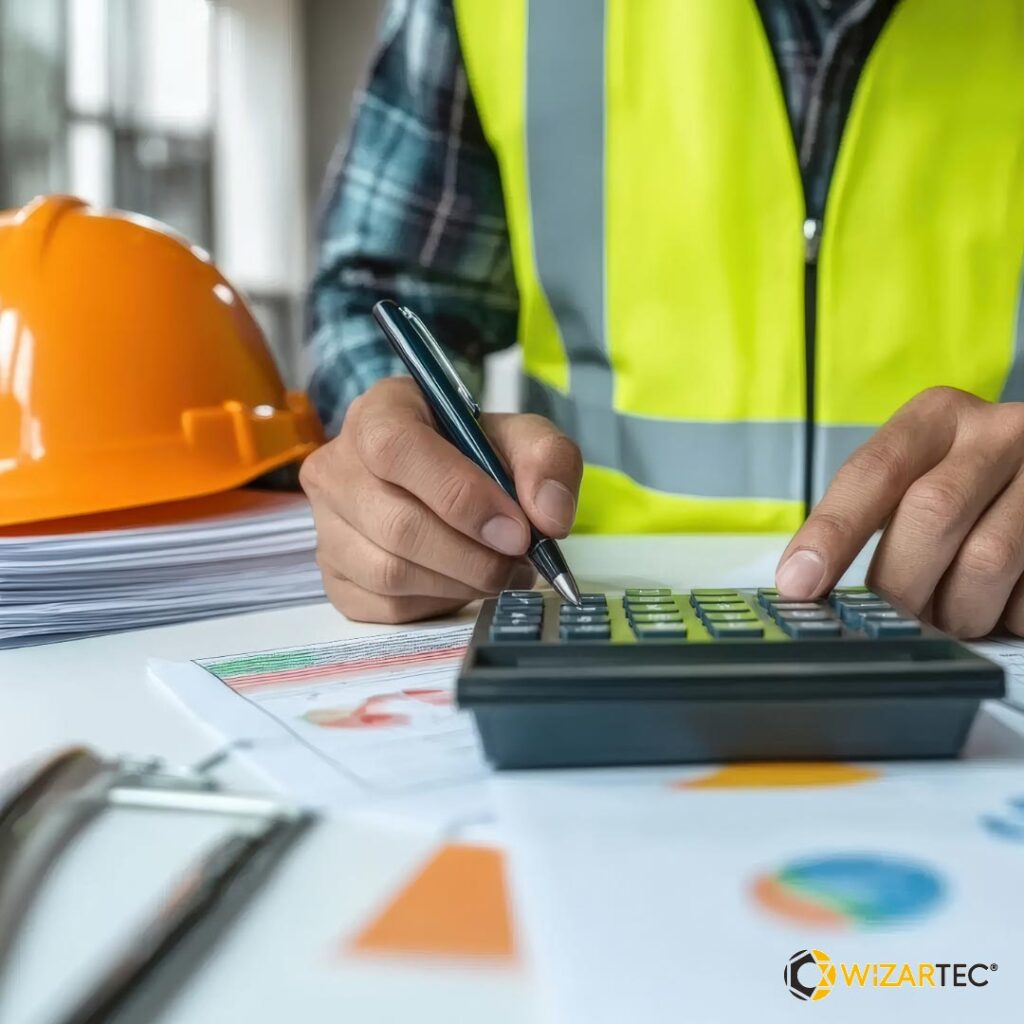
#Budgeting for the construction of a technological installation
Key steps and best practices
Developing a budget for the construction of a technological installation is one of the key tasks in preparing a project. A carefully planned budget ensures financial stability and reduces the risk of cost overruns or delays. This article contains the most important steps and proven methods that will help you prepare a realistic and effective budget.
1️. Defining the scope of the project
The first step is to precisely define the scope of the project. Without a clear definition of the purpose and requirements of the technological installation, it is difficult to plan a budget. Key questions to answer:
- What technologies will be implemented
- What standards and regulations must be met?
- What are the requirements for space and infrastructure?
- What result does the client want to achieve after the implementation and launch of the project
- Does the client have a predetermined time frame for the project? (information on the possibility of working on the site: number of hours, weekends)
- Will there be other assembly teams during the planned project.
Accurately defining the scope of the project allows you to avoid costly changes during implementation.
2. Detailed costing
Preparing an accurate costing is the basis for budgeting. It should include:
- Material and equipment costs: Purchase, transport and storage of necessary components.
- Labor costs: Remuneration of employees, subcontractors, as well as health and safety costs and social facilities.
- Design costs: Remuneration of designers, engineers and preparation of technical documentation.
- Equipment costs: Rental of assembly and transport equipment, welding materials.
Each cost category should be described in detail to avoid omitting important expenses.
3️. Including indirect costs
Often underestimated indirect costs can significantly affect the budget. This group includes:
- Project management costs: Management staff salaries, communication and administration costs.
- Financial costs: Bank guarantee costs, interest on loans and potential payment delays.
Including them at the planning stage helps avoid financial surprises.
4. Contingency reserve
Unforeseen expenses are an integral part of every project. It is worth planning a budget reserve of 5% to 15% of the total costs to meet sudden challenges such as price increases or delivery delays.
5. Risk management
Identifying and assessing potential risks at an early stage allows for better budget management. The following should be included:
- Risk analysis: Assessment of threats such as regulatory changes, delays or technical problems.
- Preventive actions: Development of rapid response procedures and contingency plans.
6️. Regular budget monitoring
Every budget requires regular monitoring and updating. Systematic comparison of actual costs with budget assumptions allows for quick response to irregularities.
7️. Flexibility in budgeting
Construction and technological projects can evolve, so the budget should be flexible enough to allow for modifications in response to changing conditions. Documenting all changes ensures full transparency of the financial situation.
Summary
Budgeting the construction of a technological installation requires precision, analysis and a systematic approach. The key elements of success are: accurate cost estimation, taking into account indirect costs and reserves, effective risk management and flexibility in responding to changes. Regular budget monitoring ensures that the project is implemented within the assumed costs and minimizes financial risk. It is worth using the support of teams with experience in this field, such as WiZARTEC ®, because we know what to pay special attention to, which allows you to avoid costly mistakes and optimize processes.